[Ba Style and Shu Charm, Savoring Sichuan] Chengdu + Qingcheng Mountain + Dujiangyan 5-Day 4-Night Immersive Experience
This curated Sichuan journey blends culture, nature, and slow-living charm into one seamless experience. From wandering through Chengdu’s historic Wuhou Shrine, Jinli, Kuanzhai Alley, and savoring tea with an old-school ear-cleaning ritual at Heming Teahouse, to witnessing the mystical relics of Sanxingdui with a private historian, every step reveals a deeper layer of Shu civilization. You’ll explore the serene Taoist heart of Qingcheng Mountain and unwind in the tranquil Six Senses retreat, then meet giant pandas up close at Dujiangyan before creating your own bamboo-weaving art in a mountain craft village. The journey concludes with a visit to the ancient Dujiangyan Irrigation System and a hidden local skewer shop whose flavors embody Sichuan’s soul—leaving you with lasting memories of this land of abundance.
Our accommodations are carefully selected for comfort and convenience, with options to suit every budget. Whether you prefer luxurious hotels or cozy homestays, we have something for everyone. At every step of the journey, we prioritize sustainability and responsible tourism. We work with local communities to ensure that our tours have a positive impact on the environment and the people we meet along the way. Join us on a journey of discovery and exploration, and discover the world's most incredible destinations with us.
Included / Excluded
To help you plan your trip, we have put together a list of what's included and what's not included in your tour package. This will give you a clear understanding of what to expect and help you make any necessary arrangements before your journey begins.
- Train tickets and Bus transportation
- Breakfast, lunch, and dinner.
- Accommodation at hotel
- Train tickets and Bus transportation
- Professional tour guide
- Transfers between destinations
- Entrance fees to museums
- Custom itinerary
Tour Map
This comprehensive map is designed to guide you through an exciting journey filled with remarkable destinations and captivating experiences.
Itinerary
We have carefully planned out each day to give you the best possible experience. From exploring historic landmarks to tasting delicious local cuisine, each day is packed with adventure and excitement. Join us as we take you on a journey through some of the most fascinating destinations in the world.
First acquaintance with Chengdu, appreciating the unique features of Sichuan
Today’s Schedule: Chengdu
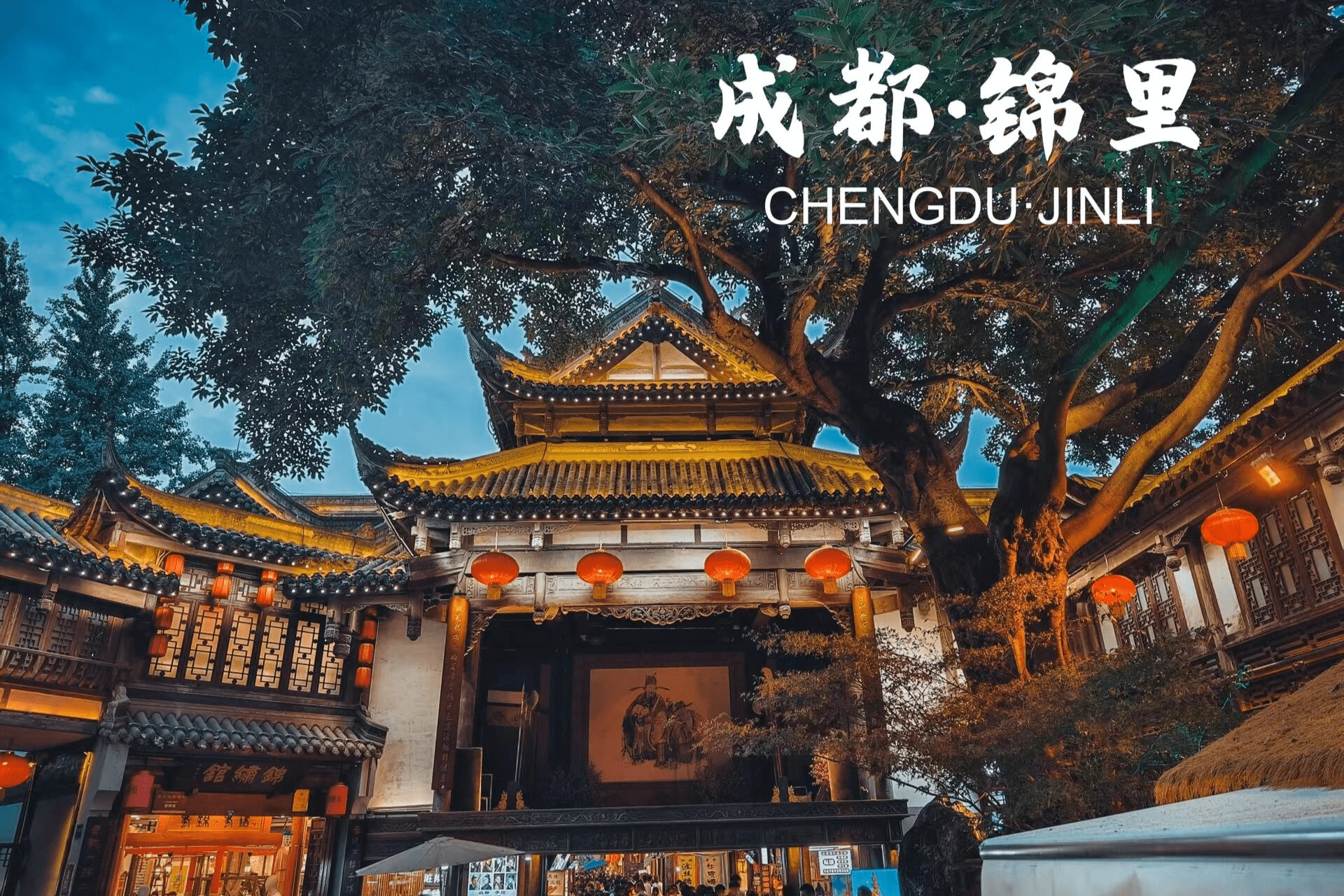
Today, the VIPs have arrived in Chengdu, and the dedicated driver-guide has been waiting in the waiting hall. Upon arrival, visit Wuhou Shrine, savor the influence of the Three Kingdoms culture on the people of Sichuan through vivid faces and poems, and learn about the interesting knowledge behind the Three Wonders Stele, the Heart-Strategizing Couplet, and the sacrifices in the Hall of the First Ruler. Then, take a stroll along Jinli Ancient Street, a well-known commercial pedestrian street in Chengdu with imitation ancient buildings in late Qing Dynasty style, residential houses, bars, famous restaurants, and the well-known Wuhou Shrine located within it.
In the evening, enjoy the Sichuan Opera Performance + First-Class Seat, featuring martial arts, singing, acting, and dancing—a complete audio-visual feast that integrates local characteristics and folk culture, showcasing the unique charm of this land.
Scenic Spot Introduction:
Wuhou Shrine – Listen to the Stories of the Three Kingdoms
Chengdu Wuhou Shrine originated in 223 AD when Liu Bei’s Huiling Tomb was built. It is a temple that jointly worships emperors and ministers, a highly renowned memorial site for Zhuge Liang, Liu Bei, and heroes of the Shu Han Dynasty, and also a museum of Three Kingdoms relics. For thousands of years, regardless of historical changes, Zhuge Liang’s status as the “Prime Minister of All Ages” has remained unshaken, and the incense at Wuhou Shrine has never ceased. If one were to choose a scenic spot that represents Chengdu’s historical development and culture, it would undoubtedly be Wuhou Shrine.
Jinli Ancient Street – Free Admission
The oldest, liveliest, and most bustling commercial district in Chengdu, where you can savor numerous local delicacies. Known as the “Chengdu version of Along the River During the Qingming Festival,” Jinli is filled with teahouses, inns, restaurants, stages, and folk handicraft shops adorned with lanterns and colorful decorations, offering a folk-custom experience rich in Three Kingdoms heritage.
Event: Sichuan Opera Performance
Sichuan Opera features vivid and lively language, humor, local color, rich everyday flavor, and strong popular appeal. Its witty remarks, instrumental accompaniment, and symbolic stylized movements create countless layers of subtle expression. Warm Reminder: Sichuan Opera is a folk cultural experience, and theater conditions may be simple.
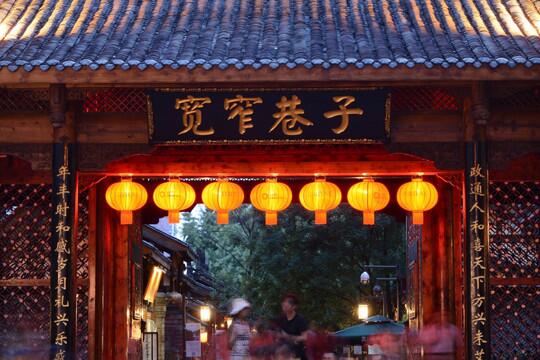
Today in Chengdu, start the morning with a stroll through Kuanzhai Alley, the only remaining ancient Qing Dynasty street in the city, consisting of three parallel streets—Kuan Alley, Zhai Alley, and Jing Alley—and the courtyard communities between them.
Then visit the Century-old Heming Teahouse, where Fulcrum has reserved seats in advance. Enjoy covered bowl tea, experience Chengdu-style leisure, and try the traditional ear cleaning service. At noon, savor a specially arranged Sichuan snack banquet.
In the afternoon, visit the Sanxingdui Museum with a specially invited historical and cultural relics teacher for an in-depth explanation. The Sanxingdui Ancient Ruins, one of the greatest archaeological discoveries of the 20th century, reveal that the Yangtze River Basin shares the same cultural matrix as the Yellow River Basin and is hailed as the “Cradle of Yangtze River Civilization.” The museum houses a rich collection of cultural relics, including the eerie and unique bronzes such as the Heavenly God Tree.
Recent archaeological discoveries at Sanxingdui are expected to impact Sichuan, Chinese, and even world archaeology, offering countless possibilities beyond modern expectations. The legend of the Shu region continues to awaken, and the quest for the unknown goes on, promising answers as the eight pits are fully revealed.
Today in Chengdu, we will visit Qingcheng Mountain, about 60 kilometers and 1.5 hours by car from the city. Located in the southwest of Dujiangyan, Sichuan Province, it is famed for its lush greenery and evergreen forests. Since ancient times, it has been a sacred place of Taoism, hailed as “Qingcheng, the most secluded place under heaven.” During the Eastern Han Dynasty, Zhang Daoling founded the Celestial Master Taoism here, making Qingcheng Mountain one of the key birthplaces of Taoist culture.
Guests will stay in the Six Senses Garden Suite at Six Senses Qingchengshan Hotel, enjoying the hotel’s full facilities to relieve urban fatigue. A soothing spa massage is available for those wishing to relax body and mind.
Scenic Spot Introduction: Qingcheng Mountain 5A, Front Mountain Scenic Area and its surroundings. Open from 04/01 to 10/31, 08:00–17:30; from 11/01 to 03/31, 08:30–17:00. Address: Qingchengshan Road, Qingchengshan Town, Dujiangyan City, Chengdu, Sichuan Province. Renowned for its tranquility, Qingcheng Mountain is the birthplace of Taoism, with numerous well-preserved temples such as Tianshi Cave, Jianfu Palace, Shangqing Palace, Patriarch Hall, Laojun Pavilion, and Chaoyang Cave, amidst towering ancient trees that have witnessed two millennia of history.
Six Senses Spa Recommendation: Inspired by Taoism, the spa’s philosophy emphasizes interconnectedness. Surrounding the 10 treatment rooms are serene waterfalls and gardens, allowing guests to enjoy signature therapies while calming the spirit and reconnecting with nature. (Spa fees are not included.)
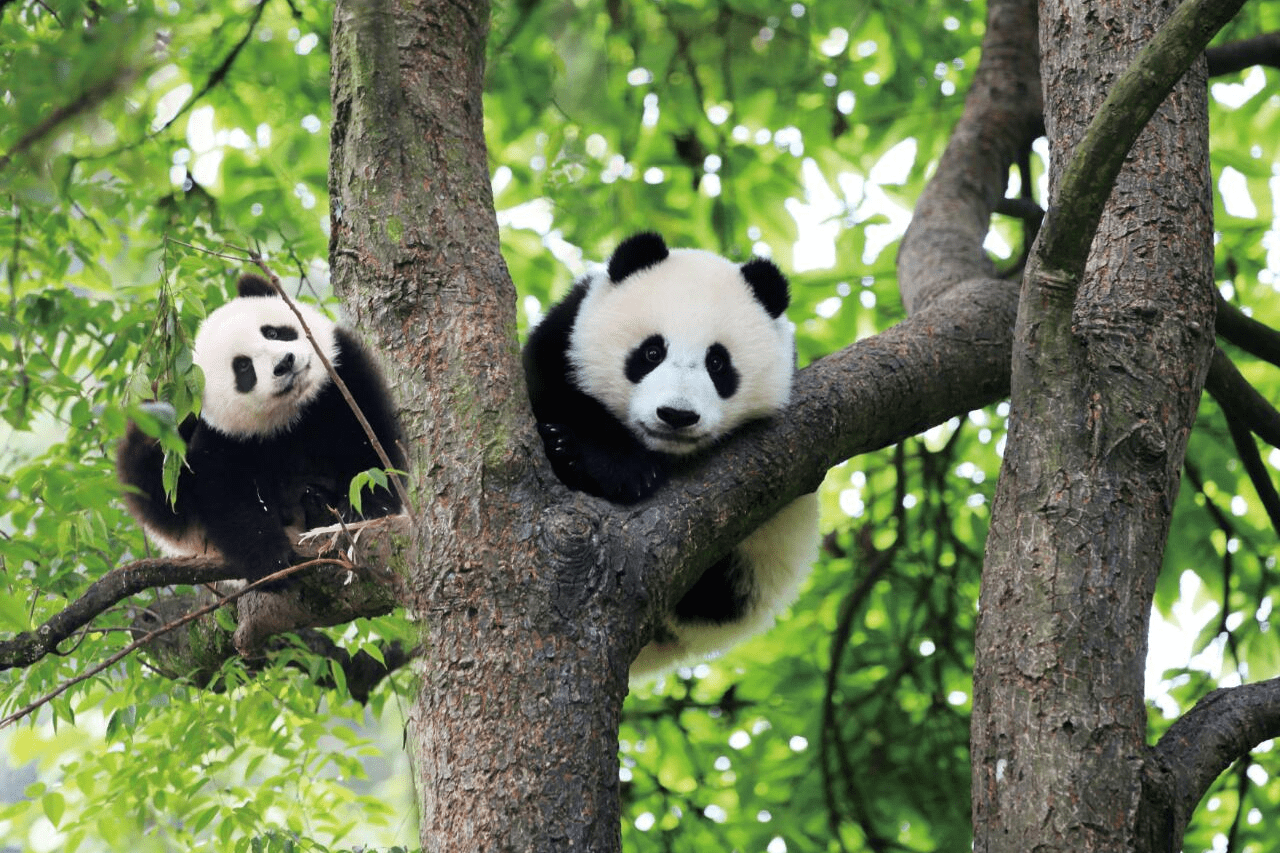
In Dujiangyan, start the day with a visit to the Dujiangyan Panda Base, a natural habitat for giant pandas offering a rare chance to get close to these national treasures. Covering over 750 mu, the base includes Panpan Garden, Shuangnan Garden, Linze Garden, and Diequan Garden, home to giant pandas, red pandas, black bears, and pheasants. Bamboo, a favorite food of pandas, is also a symbol of integrity in traditional Chinese culture.
In the afternoon, visit Daoming Bamboo Art Village, a small mountain village famous for bamboo weaving and bamboo art. Tourists can experience traditional craftsmanship and the charm of local culture. Under the guidance of Daoming bamboo weaving masters, guests will design and create bamboo handicrafts, experiencing the intangible cultural heritage of bamboo weaving techniques.
For dinner, enjoy a heartwarming native chicken soup pot.
Scenic Spot Introduction:
Dujiangyan China Giant Panda Garden (formerly Panda Paradise), Qingcheng Outer Mountain, Dujiangyan, Chengdu, Sichuan Province. Open 08:30–17:00 year-round. Observe pandas in their living areas under breeder guidance and learn little-known facts about their lives.
Intangible Cultural Heritage Bamboo Weaving: Join local artisans, traverse the mountains, and learn the unique skill of listening for bamboo to distinguish its age and usability. Visit the Bamboo Art Museum, appreciate bamboo craftsmanship, and experience making bamboo woven fans.
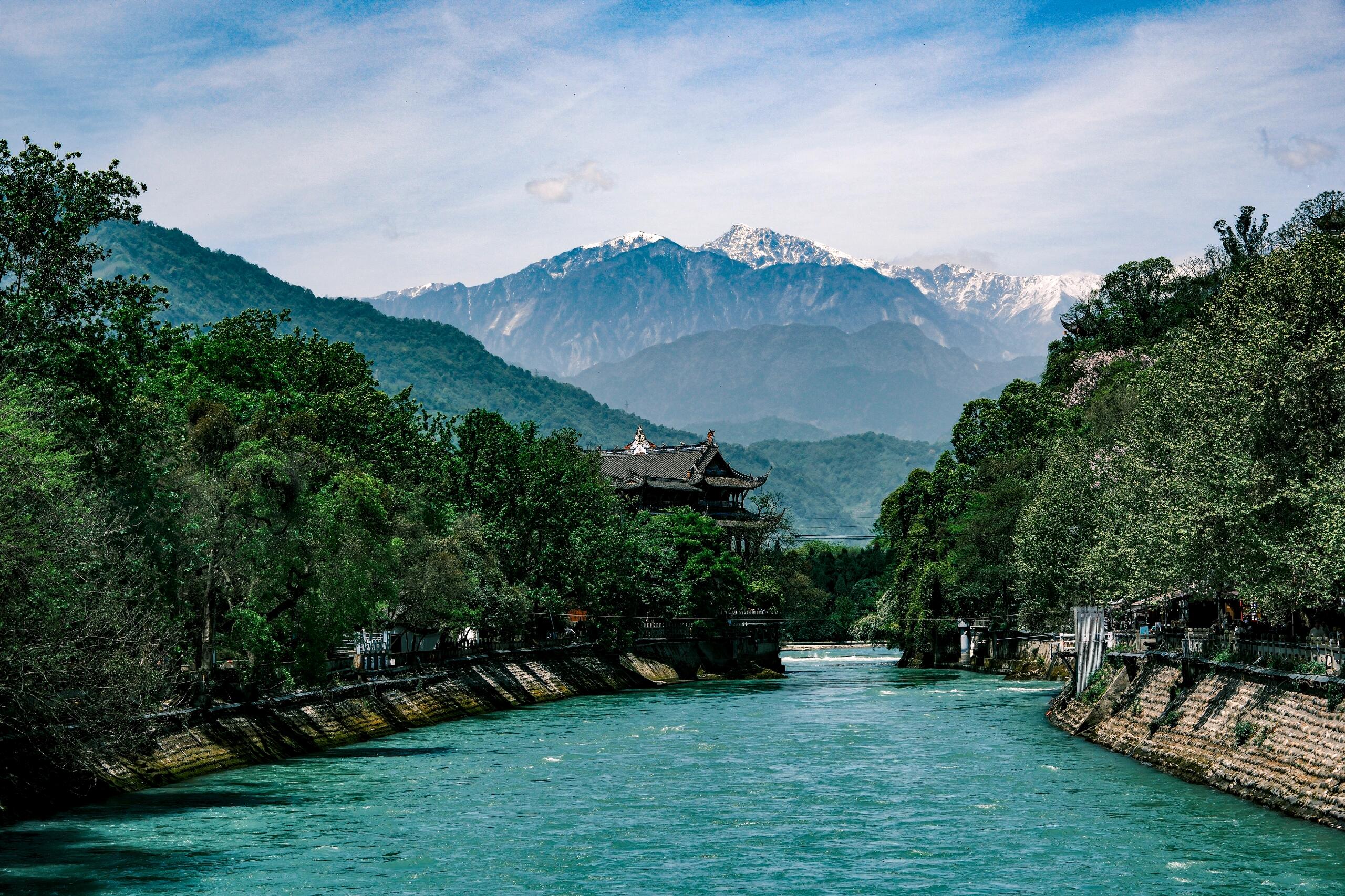
Today’s Schedule: In the morning, visit the Dujiangyan Scenic Area, where the tour guide will share little-known trivia about Dujiangyan, offering a deep experience of the traditional Chinese water control system that has endured through the ages.
At noon, explore a hidden Chuanchuanxiang in Dujiangyan urban area, a special eatery with limited daily capacity that closes once sold out. Fulcrum cordially invites you to visit and savor its unique flavors.
In the afternoon, return to Chengdu, head to the airport, and board your flight back home.